

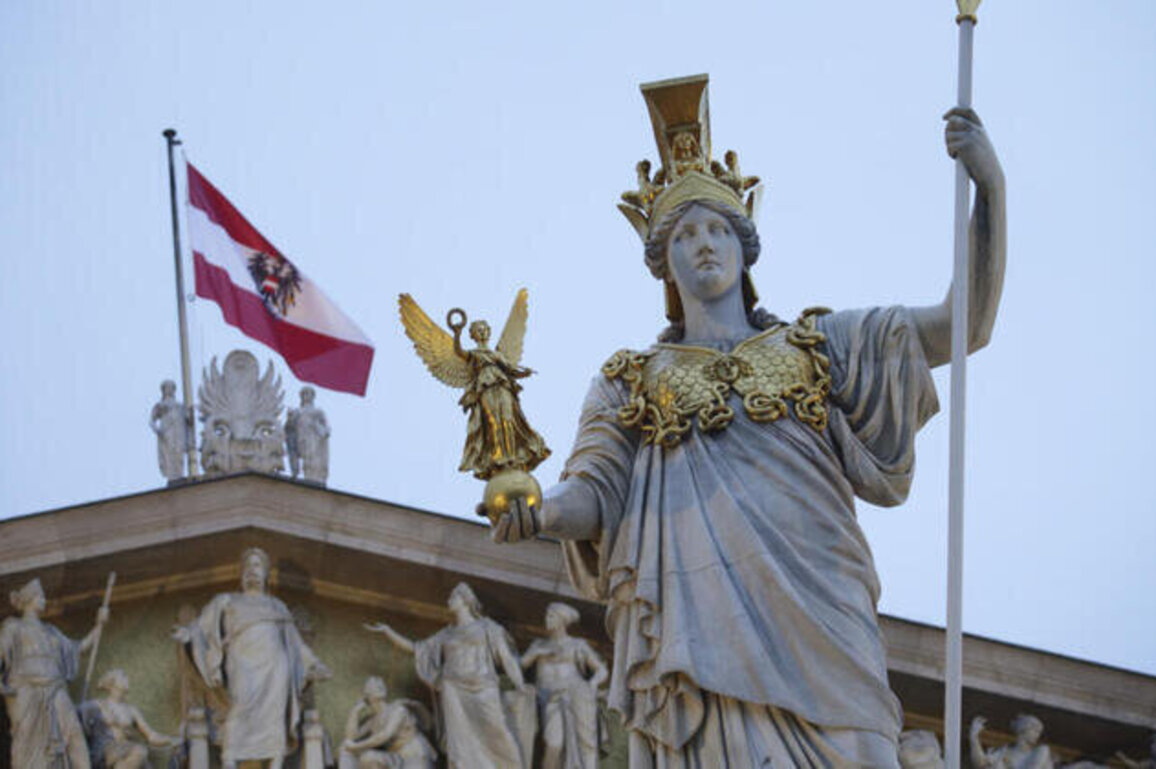
Austrianlawmakers on Thursday voted by a large majority in favour of a law banningheadscarvesin schools for girls under 14, a move rights groups and experts say isdiscriminatoryand could deepen societal division.
Austria's conservative-led governmentunder pressure with anti-immigrationsentiment is running high proposed the ban earlier this year, arguing it is aimed at protecting girls "from oppression".
In 2019 the country introduced a ban on headscarves in primary schools, but the constitutional court struck it down.
This time the government insists that its law is constitutional, though experts have suggested it could be seen as discriminating against one religionIslamand putting children in an uncomfortable position.
The law prevents girls younger than 14 from wearing headscarves that "cover the head in accordance with Islamic traditions" in all schools.
After a debate Thursday, only the opposition Green party voted against the ban.
Ahead of the vote, lawmaker Yannick Shetty of the liberal NEOS said the headscarf "is not just an item of clothing" but "sexualises girls".
"When a girl... is told that she must hide her body... to protect herself from the gaze of men, it's not a religious ritual, but oppression," Integration Minister Claudia Plakolm said when presenting the bill.
The ban, which applies to "all forms" of theIslamic veilincluding hijabs and burqas, would take full effect with the start of the new school year in September, Plakolm said.
From February, an initial period would be launched during which the new rules would be explained to educators, parents and children with no penalties for breaking them.
But for repeated non-compliance, parents would face fines ranging from 150 to 800 euros ($175-930).
The government said that about 12,000 girls would be affected by the new law.
'Stigmatised'
Rights groups and activists have long argued that banning headscarves still amounts to telling a woman what to wear, instead of allowing her the freedom to decide on her own.
Organisations includingAmnesty InternationalAustria have criticised the bill.
Amnesty said it "constitutes blatant discrimination against Muslim girls" and described it as an "expression of anti-Muslim racism".
Such measures risk "fuelling existing prejudices and stereotypes againstMuslims", the group warned.
The draft law has also drawn criticism from the IGGOe, the body officially recognised as representing the country's Muslim communities.
It said the ban "jeopardises social cohesion", saying "instead of empowering children, they are stigmatised and marginalised".
Angelika Atzinger, managing director of the Amazone women's rights association, said a headscarf ban "sends girls the message that decisions are being made about their bodies and that this is legitimate".
Read moreWeaponising secularism: French politicians accused of using lacit to target Muslims
Her comments appeared in a statement published by the anti-racism group SOS Mitmensch, which also opposes the proposed law.
Austria's anti-immigration, far-right Freedom Party (FPOe) said the ban did not go far enough, however. They want it extended to all students, teachers and other staff.
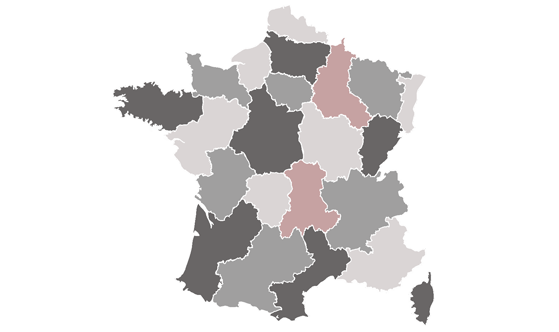
In France, authorities banned school children in 2004 from wearing signs of religious affiliation such as headscarves, turbans or Jewish skullcaps, on the basis of the country'ssecular laws, which are meant toguarantee neutrality in state institutions.
(FRANCE 24 with AFP)
Originally published on France24